How to Have an Amazing Summer, Without Spending a Fortune
By WRVT I June 12, 2026 I Blog
Summer break is a time for children to explore, play, and make memories, but keeping kids entertained for weeks on end can become expensive. The good news is that families living in rural communities often have access to some of the best low-cost resources around: nature, local libraries, and state parks. With a little creativity, families can fill their summer calendars with memorable experiences.The moments children remember most are often the simplest ones: exploring a trail, reading together, riding bikes, and spending time with the people they love.
Here are some free or low-cost ways (plus some tips & tricks!) to create a summer full of adventure without stretching your budget.
1. Make the Library Your Summer Headquarters
Our local libraries are so much more than just a place to borrow books! Check your local library for info about:
- Summer Reading: This statewide program starts June 15th. Sign kids up at your library to track reading and earn prizes, many libraries offer Summer Reading challenges for adults too! This year’s theme is Unearth a Story
- Events: Story times, STEM activities & family events
- Other Fun: Board games, puzzles, and activity kits available for checkout
- Passes: Check out free/reduced passes to area sites such as Hildene, VINS, VT State Parks, BMAC… and more! Hint: Plan ahead, you’ll need to reserve the passes you want, and they can book up.
- Digital Book Access: many offer a free Libby login with your library card. Libby is an app for checking out digital books.
- Skills Challenge: check out a book that teaches a new-to-you skill and learn it together, i.e. knot tying, knitting, cooking a new dish/style, card games, etc.
West River area libraries offer free library cards regardless of town of residence, check out what they offer and revisit, or try a new one:
Moore Free Library
Townshend Public Library
Jamaica Library
Wardsboro
2. Explore Our State Parks
State parks provide endless opportunities for outdoor fun at little or no cost. If you have an EBT or WIC card with active benefits, show it at any VT state park for free day entry for your family. Find a new VT park to visit: https://www.vtstateparks.com/family-fun, and look for these fun activities:
- Hiking beginner-friendly trails
- Nature scavenger hunts
- Birdwatching
- Fishing (where permitted)
- Ranger-led educational programs
- Swimming areas and beaches
3. Create a Backyard Adventure
You don’t have to travel far to create memorable experiences. Let children help plan activities to build excitement and ownership. Here’s some back yard inspiration, or try these ideas:
- Backyard camping
- Stargazing nights
- Obstacle courses
- Water balloon games
- Outdoor movie nights using a sheet and projector, or a computer or tablet
- Campfire storytelling
- Nature scavenger hunt
4. Organize a Bike or Hike Challenge
For families with access to safe roads or trails, biking & hiking can become summer-long activities. Try setting a goal such as total miles or number of different locations visited:
- Tracking total miles
- Visiting local landmarks: Townshend Dam, West River Trail
- Family bike/hike scavenger hunts
- Bike/hike outings with friends
Trail Highlight: Do you know about the trail on Oakwood Cemetery Road in Townshend? This hidden gem starts behind the baseball field, into the adjoining field and woods. Thank you to Jim Crozier for maintaining the trails!
6. Have a Picnic
Pack your favorite lunch or snacks and visit a new or favorite spot. Make it a regular event; changing locations each time can make even simple lunches feel like mini-vacations. Try:
- A school playground
- A state park (check for library passes!)
- A riverside area
- A town common
- Make a new picnic food each time
- Invite friends to meet you!
7. Build a Summer Bucket List
At the beginning of summer, gather as a family and create a list of activities. Get creative! Making the list and crossing items off together creates anticipation and helps families make the most of the season. Ideas might include:
- Watch a sunrise
- Catch fireflies
- Sleep under the stars
- Visit a new hiking trail
- Read five books
- Have a family game tournament
- Make homemade ice cream
- Have a picnic in a new place
- Build a fort or fairy house
HAPPY SUMMER!
The Conversation Doesn't End at Graduation: Staying Connected With Your Young Adult
By WRVT I June 10, 2026 I Blog
Graduation is a major milestone – for both young people and their parents. After years of helping with homework, attending sporting events, setting curfews, and navigating the ups and downs of adolescence, many parents wonder what their role should be once their child crosses the graduation stage.
The truth is, your influence doesn’t end when high school does.
Research consistently shows that parents remain one of the most important influences in a young person’s life, even as they transition into adulthood. Whether your graduate is heading to college, entering the workforce, or exploring other opportunities, staying connected and continuing meaningful conversations can help them navigate new challenges with confidence.
Why Your Voice Still Matters
Young adulthood is a time of increased independence, but it’s also a time of significant change. Graduates face new responsibilities, relationships, environments, and decisions. While they may not always seek advice directly, they still value knowing they have trusted adults they can turn to when needed.
Maintaining open communication helps young adults:
- Feel supported during times of transition
- Build confidence in decision-making
- Navigate stress and mental health challenges
- Make safer choices around alcohol, cannabis, and other substances
- Strengthen family connections and a sense of belonging
Shift From Director to Coach
As children become adults, the parent-child relationship naturally changes. Instead of directing every decision, parents can transition into a coaching role.
This means:
- Asking questions instead of giving immediate answers
- Listening more than lecturing
- Respecting their growing independence
- Offering guidance without judgment
- Supporting problem-solving rather than solving problems for them
A simple “What do you think your options are?” can be more powerful than telling them what to do.
Make Conversations Part of Everyday Life
Not every conversation needs to be serious or focused on challenges. Some of the most meaningful connections happen through everyday check-ins.
Consider:
- Sending a quick text to see how they’re doing
- Scheduling regular phone calls
- Sharing a funny story or photo
- Asking about classes, work, hobbies, or friendships
- Celebrating small successes and milestones
Consistency matters more than length. A five-minute conversation can go a long way in maintaining a connection.
Keep Talking About Mental Health
The transition after high school can bring excitement, but it can also bring stress, loneliness, uncertainty, and anxiety. New environments often come with increased pressure and fewer familiar support systems.
Create opportunities to talk openly about mental health by:
- Checking in about stress levels
- Asking how they’re adjusting to changes
- Normalizing seeking help when needed
- Sharing your own experiences with challenges and resilience
- Reminding them that asking for support is a sign of strength
Sometimes the most important thing a parent can say is, “I’m here for you.”
Continue Conversations About Substance Use
Young adults often encounter situations involving alcohol, cannabis, vaping, and other substances. Even after graduation, parents can play a critical role in shaping attitudes and encouraging healthy choices.
Try:
- Asking open-ended questions about what they’re seeing among peers
- Discussing how substance use can impact health, safety, relationships, academics, and career goals
- Reinforcing family values and expectations
- Talking through real-life scenarios before they happen
- Focusing on safety and support rather than punishment
Young adults are more likely to seek help when they know they can talk to their parents without fear of judgment.
Embrace the New Relationship
One of the greatest gifts of parenting is watching your child become their own person. While the relationship may look different after graduation, it can also become richer and more rewarding.
Stay curious about who they are becoming. Ask about their goals, passions, experiences, and perspectives. Celebrate their successes, support them through setbacks, and remind them that home remains a place of connection and support.
Final Thoughts
Graduation marks the end of one chapter, but it is far from the end of the conversation. Your young adult may be gaining independence, but they still benefit from your encouragement, wisdom, and unconditional support.
As they take their next steps into adulthood, keep the lines of communication open. Continue asking questions, listening with empathy, and showing up consistently. The conversations you have today can strengthen your relationship for years to come.
Because no matter how old they get, knowing someone believes in them can make all the difference.
Much Love from, West River Valley Thrives
Embrace the Journey Ahead: A Message for Leland and Gray High School Graduates
By WRVT I April 20, 2025 I Blog
Congratulations, graduates!
You did it. After years of classes, assignments, sports, clubs, friendships, challenges, and unforgettable memories, you’ve reached an incredible milestone. Graduation is more than receiving a diploma – it’s the beginning of a brand-new chapter filled with opportunities, growth, and discovery.
As exciting as this time can be, it can also feel a little overwhelming. Whether you’re heading to college, entering the workforce, taking a gap year, or still figuring out your next steps, one thing is certain: your future is full of possibilities.
Embrace New Experiences
The journey ahead will introduce you to new people, new places, and new opportunities. Be open to trying things outside your comfort zone. Join a club, explore a new hobby, take on a leadership role, travel if you can, or learn a new skill.
Growth often happens when we challenge ourselves. Some of your greatest experiences may come from taking chances and saying “yes” to opportunities you never expected.
Make Choices That Support Your Goals
As you gain more independence, you’ll also have more responsibility. Every choice you make, big or small, can influence the path you’re creating for yourself.
Ask yourself:
- Does this decision align with my goals?
- Will it help me become the person I want to be?
- What are the potential consequences?
No one is perfect, and everyone makes mistakes. The key is learning from them and continuing to move forward.
Prioritize Your Health and Well-Being
Success isn’t just about achievements; it’s also about taking care of yourself.
Make time for:
- Getting enough sleep
- Staying physically active
- Eating nutritious foods
- Managing stress in healthy ways
- Maintaining connections with supportive people
Remember that mental health is just as important as physical health. If you’re struggling, reach out for support. Asking for help is a sign of strength, not weakness.
Stay Safe
As you experience new freedoms, you’ll likely encounter situations that require good judgment. Whether you’re attending parties, traveling, meeting new people, or living on your own, safety should always remain a priority.
Some reminders:
- Never drive impaired or ride with someone who is.
- Have a plan before going out.
- Stay aware of your surroundings.
- Trust your instincts.
- Look out for your friends and let them look out for you.
- Don’t be afraid to call for help if a situation feels unsafe.
The smartest choice is often the one that protects your future.
Remember Where You Came From
As you move forward, don’t forget the people and communities that helped you get here. Stay connected to your family, friends, teachers, mentors, and supporters. These relationships can provide guidance, encouragement, and perspective throughout your journey.
At the same time, remember that your experiences and choices can positively impact others. Be a role model, lend a helping hand, and contribute to the communities you become part of.
Your Story Is Just Beginning
Graduation is not the finish line; it’s the starting point of your next adventure. There will be successes to celebrate, challenges to overcome, and lessons to learn along the way.
Believe in yourself. Stay curious. Make choices that support your goals and values. Take care of your well-being. And most importantly, embrace the journey ahead with confidence and optimism.
The future isn’t something that happens to you, it’s something you create.
Congratulations, Class of 2026. Your next chapter starts now. Make it one worth remembering.
Much Love from,
The Impact of Social Norms and Alcohol Use on the Young Brain
By WRVT I April 20, 2025 I Blog
Alcohol is one of the most widely consumed substances in the world. The risks associated with alcohol use are particularly dangerous for young people. Adolescence is a time of emotional, physical, and social development which makes teens more vulnerable to the negative effects of alcohol.
Alcohol can impact brain development, cognitive function, and lead to long term consequences, such as addiction, and mental health concerns, specifically anxiety and depression. When consumed during adolescence, Cognitive function may become impaired, specifically in the areas of memory, learning and executive functioning. Executive functioning skills are developing at this age, and are responsible for problem solving, decision making, planning and impulse control. When these areas are impaired, it makes youth more vulnerable to make impulsive decisions, use poor judgement and it makes it more difficult to manage emotions.
Social norms – the unwritten rules that govern behavior in a group or society – play a powerful role in influencing adolescent behaviors and decision making regarding alcohol use. These norms may be shaped by cultural values, peer pressure, media portrayal and familial expectations.
Movies, music videos and television often portray alcohol use as glamorous, or celebratory, which reinforces the idea that drinking is normal, desirable and fun. Many popular songs among youth often contain lyrics that emphasize alcohol or drug use. Unfortunately this media portrayal often overlooks the risks associated with underage drinking.
Peer pressure is another key component of social norms. Adolescents are particularly susceptible to the influence of their peers, often feeling pressure to conform to group behaviors to fit in. If a youth’s social group engages in drinking, they may feel the need to do that same thing to avoid feeling excluded or to be accepted into a social group.
Family norms and attitudes can also shape a young person’s perception of drinking. Families that normalize alcohol use, or do not set clear boundaries may unintentionally send the wrong message that alcohol consumption is acceptable at a young age. Engaging in conversation about alcohol use and setting firm, consistent expectations, can help reduce the likelihood of underage alcohol use.
While social norms can be a powerful source for perpetuating alcohol use among youth, they can also be a tool for change. Shifting societal perceptions about underage drinking is essential to long term prevention efforts. Changing the narrative around alcohol involves challenging the glamorization in the media and promoting information that emphasizes the risks and negative consequences of underage drinking.
Ultimately, the goal is to encourage behaviors that prioritize long term health and well-being and make underage alcohol use less socially acceptable. The influence of negative social norms is undeniable but by promoting healthy alternatives, educating on the risks of youth alcohol use, and fostering a supportive environment both at home and in the community, we can help shape a generation of young people who are empowered to make choices that will lead to happy, healthy lives.
Vaping and Mental Health: How Vaping Can Impact the Teen Brain
By WRVT I March 20, 2025 I Blog
In recent years, vaping has become a popular activity among teens, often seen as the “cool” alternative to smoking cigarettes. However, what many teens do not realize is the impact that vaping can have on mental health, leading to problems that can affect their emotional well-being, behavior, and cognitive function. As vaping use continues to rise, it is important to understand the connection between vaping and mental health and how the habit can be much more harmful than it appears.
Nicotine is a key ingredient in most vape products. Nicotine is a highly addictive substance that can have negative impacts on a developing brain. The teenage brain is still growing and developing and is especially vulnerable to the addictive properties of nicotine. When youth vape, they are exposing their brain to harmful chemicals, including nicotine, which specifically impacts the brain in the areas responsible for learning, memory and emotional regulation.
Nicotine can also play a role in mood instability, which is often a characteristic seen in teens who vape. Studies have shown that nicotine can increase anxiety, stress and depression in youth. For those who are already struggling with these mental health concerns, adding nicotine can make things worse.
One of the most common side effects of vaping for young people is an increase in stress and anxiety. Nicotine stimulates the release of dopamine, which is a neurotransmitter responsible for feelings of pleasure. While this may feel good initially, the feeling eventually wears off, leading to withdrawal symptoms, or the want or need for more. Some common nicotine withdrawal symptoms include irritability and anxiety.
The relationship between vaping and depression is also concerning. Nicotine’s effect on the developing adolescent brain can lead to mood swings, irritability and feelings of sadness, which makes it hard for teens to regulate their emotions. These mood fluctuations make it difficult for young people to manage and cope with stress and life changes, which may make them more vulnerable for more serious mental health issues down the road.
Understanding the relationship between vaping and mental health and its effect on the developing adolescent brain is crucial when encouraging teens to make informed decisions and protect their emotional well-being. With the appropriate support and education, we can help prevent vaping from taking a lasting toll on the mental health of our youth.
Additional Resources:
SAMHSA “Talking with Your Teen About Vaping”: https://library.samhsa.gov/sites/default/files/pep20-03-01-080.pdf
Meg Paraspolo, West River Valley Tobacco Specialist: wrvtprograms@gmail.com: Contact Meg if you feel your child would benefit from additional support in the form of tobacco cessation or resources.
PARENT UP “Why is My Child At Risk for Misusing Drugs and Alcohol?”:
https://parentupvt.org/why-is-my-child-at-risk
Sara Webb, Parent Engagement Specialist; wrvtengaged@gmail.com: Contact Sara for a copy of the “Operation Parent Handbook” which includes info on vaping, nicotine, & mental health.
A Letter to Parents About the Growing Youth Vaping Crisis
In the rural West River Valley, access to resources and services can be limited. Responding to the growing youth vaping crisis over the past few years has been particularly challenging, with most of the responsibility placed on Leland & Gray (L&G), our local middle/high school. The number of youth vaping has increased, and age of initiation has decreased. Therefore, it has become clear that our schools can not and should not be expected to deal with the problem alone. It takes all of us working together to have these hard conversations with our youth. We should have these talks often to reinforce our strong, non-judgmental message that we expect our youth to engage in healthy choices.
Leland & Gray administrators, staff, student members of the L&G Vape Task Force and Thrives Youth Engagement Specialist, drafted a letter to parents, to acknowledge the widespread use of electronic nicotine and cannabis vape products by students. This letter consists of some helpful information and resources to help us support youth in our community to make healthy choices.
National Drug & Alcohol Facts Week: Parent Edition
National Drug & Alcohol Facts Week:
Students spent the past week participating in National Drug and Alcohol Facts Week (NDAFW), an annual health observance that connects youth with resources about drugs, alcohol, and related health topics. In Jaida Henry’s Health Class, 7th and 8th graders answered the question, “What is your Natural High?” Our choice for the most unique & fun answer: sporks! Check out the word cloud for all the responses. >>>
The same group of 7th & 8th graders were also asked to consider the facts about drugs and alcohol they want their parents to know. The students worked in small groups to put their facts on sheets titled, “Facts I want YOU to know about drugs and alcohol.”
2023 Parent & Caring Adult Communication Survey Results Summary
Thrives recently conducted a Parent & Caring Adult Communication Survey with the goal of learning the best ways to connect with parents and caring adults (PCAs) in the West River Valley. Gaining a better understanding of how to reach PCAs will help us provide...
Y R (we doing this) BS?
Click on the image below to read all the reasons it is so important for youth to participate in the Youth Risk Behavior Survey (YRBS).
Youth Engagement is the Solution
Youth engagement results when young people are involved in responsible and challenging actions to create positive social change. At Leland and Gray Middle and High school, our youth have been using their voices and actions to problem solve and make a direct impact within their school and broader community. In this article it explains how students take a topic they care about like Tobacco use prevention and then make changes in the community that increases leadership opportunities, improves physical design, and practices problem solving through exploring policy changes. Read on to learn how West River Valley youth are taking a stand on and working towards a healthier community that thrives.
No Butts About It! Project Expansion Within Two Coalitions
Deerfield Valley Community Partnership and West River Valley Thrives have been addressing the problem of cigarette butt litter. This work is thanks to the collaboration of middle/high school prevention groups, community members and local business owners. Both coalitions have played an active role in addressing the problem of toxic cigarette waste by identifying heavy litter areas and reaching out to the appropriate community members to install cigarette receptacles called Butlers. This year, our collective groups were able to expand awareness of this issue to more business owners, involving more students like Vermont Kids Against Tobacco (VKAT), Our Voices Xposed (OVX), and Boys Scouts from BSA Troop 428. Incorporating a balance of education and community intervention has made this program a growing success. Important community connections have been forged and butlers abound!
Jennifer Matheson: A conversation with a local gem!
This community spotlight highlights Jennifer Matheson who recently joined the West River Valley Thrives Coalition as a Youth-Serving Sector Representative. Jennifer brings an authentic knowledge of the challenges our youth and families face, as well as a commitment to identifying solutions. We look forward to working with her to help West River Valley families Thrive!
Spring 2022 Thrives Newsletter
The Thrives’ spring quarterly newsletter consists of several community highlights. Our Town spotlight features Megan Paraspolo the new Social Emotional Facilitator for the Windham Central Supervisory Union. Our tobacco section gives you all the details of our Prevention Day trip to Montpelier State House and the Queer Youth Leadership Day. Also included is the announcements of our upcoming Take Back Day 2022 and Green Up Day.
West River Valley Thrives Presents the Youth Ally of the Year Award
West River Valley Thrives constantly observes and is fortunate to collaborate with a wealth of caring adults in our community. That’s why Thrives recently launched the Youth Ally Award, a new recognition initiative. This annual event helps us identify and thank those adults in our community who go above and beyond in their support of our young people. The 2022 Youth Ally Award recipient is Mr. Rory O’Donnell, a high school social studies teacher at Leland and Gray Union Middle/High School, and so much more!
A Love Letter to the West River Valley
While our staff member Jacob was taking breaks from packing up his boxes to depart on his new adventure back home in the Midwest, he took some time to reflect on his time in the West River Valley. Read his thoughts below! The process of packing, tying up loose ends,...
Mixed Messages Targeting Youth
You have surely heard of the term, “Mixed Messages”. Our understanding of a mixed message is when someone is giving off a certain feeling or vibe but their actions do not match those feelings or vibes. Someone might say they enjoy spending time with us but when we ask them for attention, they do not show up or give us what we need. Someone may devour a meal we make for them but then communicate that it was the worst meal of their life. We encounter mixed messages daily.
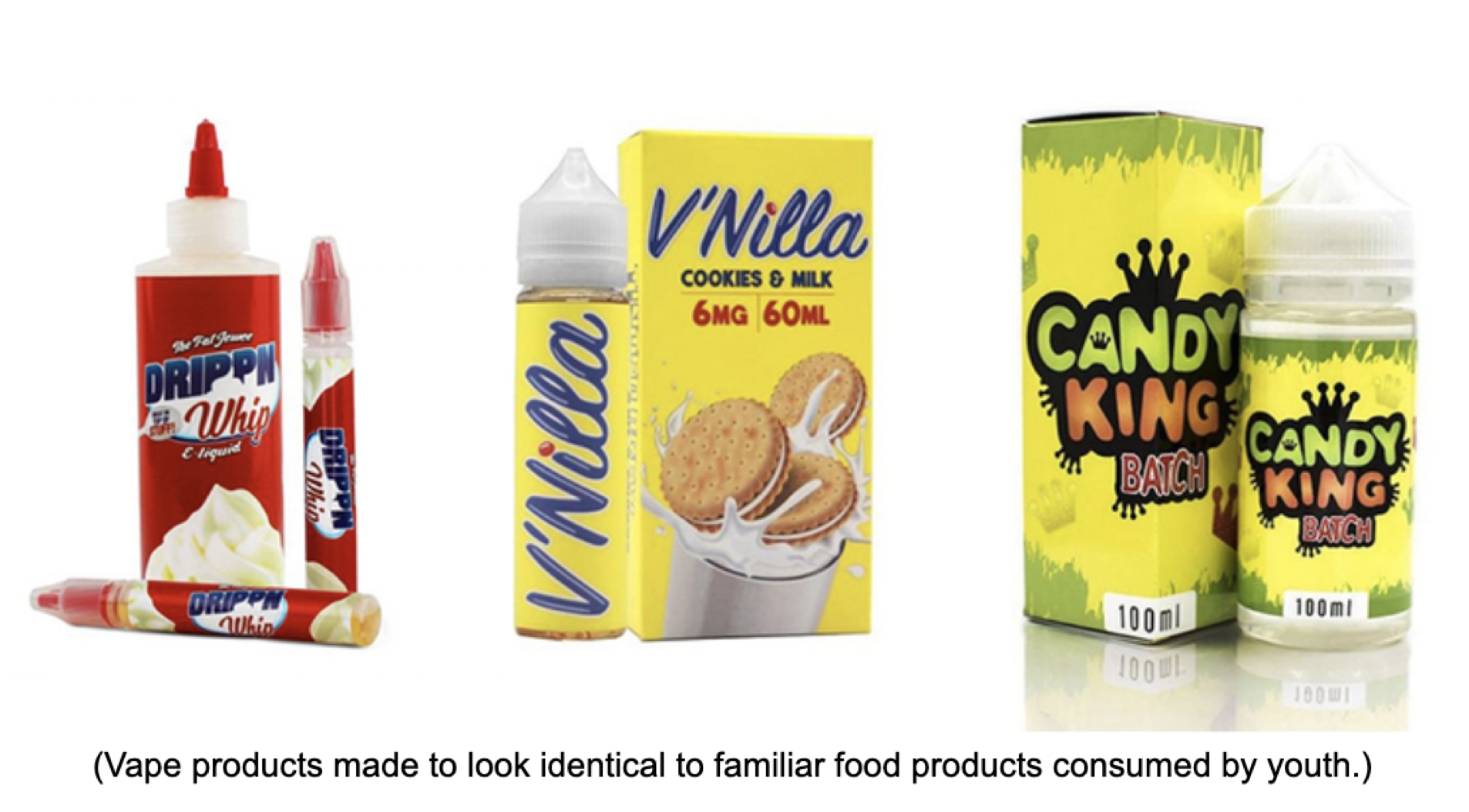
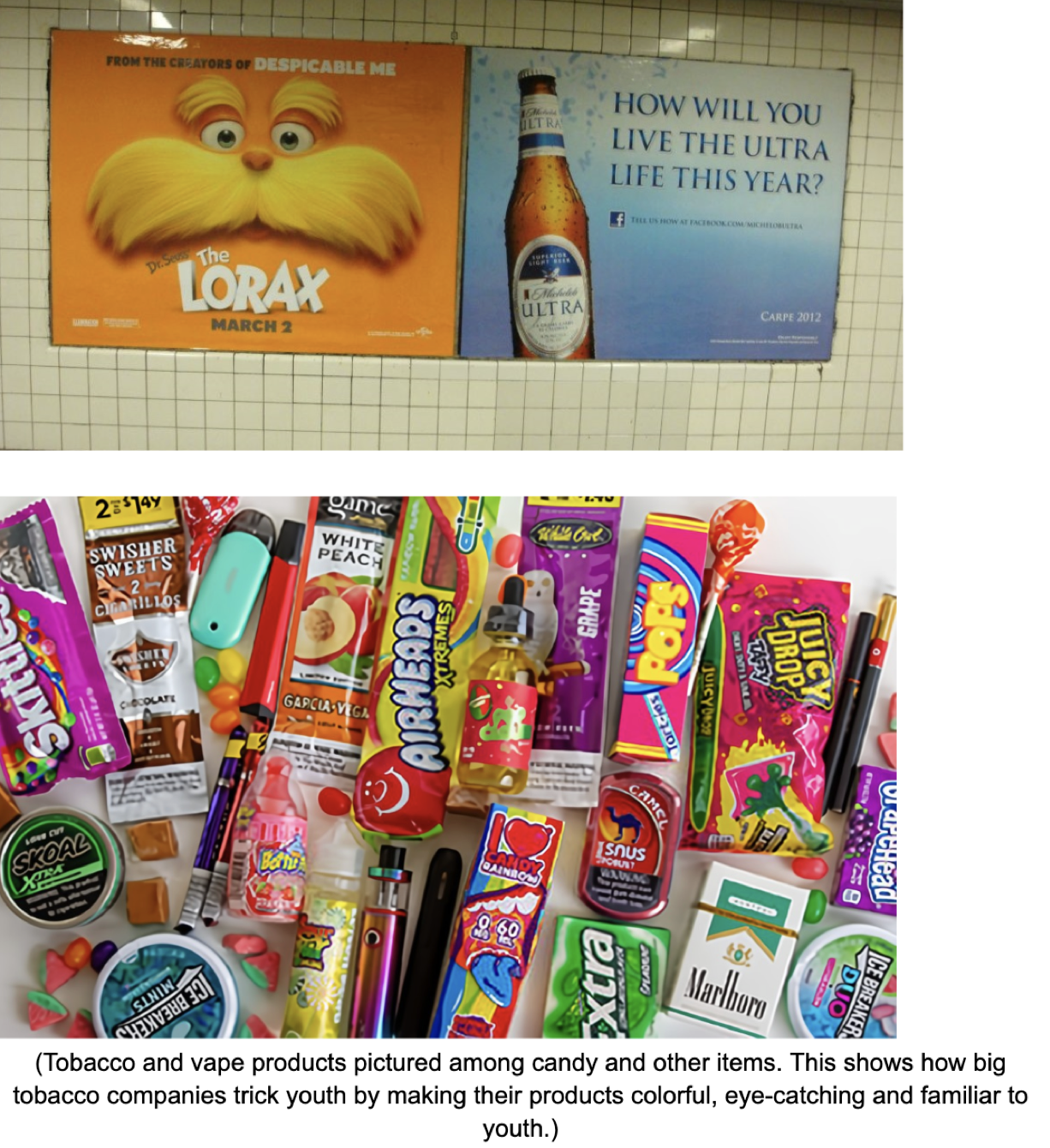
Sometimes, mixed messages are harder to notice than other times and those other times, they can be incredibly obvious. But, did you know there are mixed messages targeted to children? Alcohol and tobacco companies create specific mixed messages of their products, their advertisements, and their product locations within stores to lure youth in, promote their product and make them think that use of their products isn’t unhealthy for them.
Some examples of these types of mixed messages are the location of alcohol beverages in stores. Notice that oftentimes, there are alcoholic beverages directly next to non-alcoholic beverages such as iced tea that you might allow your child(ren) to have. Or how packaging on cases of beer or vape and tobacco products is colorful and eye-catching? This isn’t for you! This is for youth!
Tobacco and alcohol companies use these advertising tactics to attract youth. This is how they ensure future users of their products. They may associate their products with familiar items such as movies, cartoon characters, and celebrities or candy and snacks, making their brand appealing to youth and enticing them to try their products. These tactics reduce youths’ perception of harm when these types of products are directly marketed toward kids making the individual feel that the product must be fun and maybe even good for them.
When adult products are placed next to products that are for anyone to consume, it can be hard to recognize. Be sure to always check the labels on the product you are purchasing for your child(ren). For example, if you are buying an iced tea beverage, double check the can or bottle to make sure it does not state HARD or ALCOHOLIC. Sometimes, it can be hard to notice these details.
Below are some examples of mixed messages. It is important for adults to talk to the youth and young adults in their lives to help them recognize and understand that though the products may seem harmless and fun based on their appearance or placement in a store, they are not.

mixed 1

mixed 2
mixed 3